This November, let’s delve deeper into the intricate link between type 2 Diabetes Mellitus and men’s intimate health
November is designated as Men’s Health Awareness Month and Sunway Medical Centre Velocity (SMCV) in Kuala Lumpur, Malaysia has taken the initiative to shed light on a pressing health concern that affects men at a higher rate than women – Diabetes. According to the Centers for Disease Control and Prevention (CDC)[1], men are more likely to receive a diagnosis of diabetes than women. World Diabetes Day on 14 November is an opportune time to delve into the intricate link between Type 2 Diabetes Mellitus and men’s health, with a specific focus on how diabetes can contribute to Erectile Dysfunction (ED), impacting men’s overall well-being.
Men and Diabetes: A Closer Look
This increased susceptibility of diabetes among men can be attributed to several key factors, including hormonal differences and body fat distribution. Hormonally, females have a more favourable effect on insulin sensitivity, with research suggesting that estrogen plays a role in enhancing it[2]. Sunway Medical Centre Velocity (SMCV) Consultant Endocrinologist and Internal Medicine Physician, Dr. Kim Piow Lim explains.
Testosterone enhances glucose-stimulated insulin secretion and reduces inflammation, leading to improved beta cell health. However, research has shown that lower testosterone levels in men are associated with a greater risk of Type 2 Diabetes[3].Another contributing factor is body fat distribution. Men often carry excess weight around their abdomen, a pattern known as central obesity. Visceral fat distribution is associated with a higher risk of insulin resistance, metabolic syndrome and Type 2 Diabetes.Low testosterone level in men can increase visceral fat leading to increased risk of Type 2 Diabetes compared to women.
Dr. Kim Piow Lim, Consultant Endocrinologist and Internal Medicine Physician
ED and Diabetes: an unspoken challenge
While the management of blood sugar is a central concern in diabetes care, it is crucial to recognise that diabetes is not limited to its physical manifestations. It can have far-reaching effects on a man’s overall well-being and quality of life, with one such consequence being Erectile Dysfunction (ED). Sunway Medical Centre Velocity (SMCV) Consultant Urologist, Dr Cheng Hood Goh highlights the connection.
After the age of 40, 10% of men develop ED, and as age increases, so does the risk[4]. With the presence of diabetes in men, the risk of developing ED increases 3.5 times compared to non-diabetic patients.
Getting an erection involves increased blood flow in arteries and reduced blood flow out of veins. Diabetes disrupts this process due to neuropathy, decreased nitric oxide (NO) levels, and increased prothrombin factor, causing reduced blood flow and blood vessel clotting.
Diabetes can lead to ED through two primary mechanisms: vascular damage and nerve damage.
Vessel diseases, dysfunction, and the accumulation of advanced glycation end products result from hyperglycemia. This impairs the relaxation of the vascular smooth muscle of the penis and ultimately leading to ED.
Besides the physical impact, the emotional consequences of ED are often underestimated. It can strain intimate relationships leading to communication issues and emotional distance between partners.
For many men, their sense of masculinity and self-esteem is closely tied to their sexual performance, and this is why ED can have a profound impact on self-confidence and self-worth.
However, this should not deter men from seeking professional help before their condition progresses into a severe form.
21% of male patients with ED experience severe dysfunction. Beyond its impact on the quality of life, ED can also lead to psychological challenges, such as the development of severe depression disorders. Thus, he strongly highlights the importance of early medical attention.
Dr Cheng Hood Goh, Consultant Urologist
The Role of Nutrition
Effective diabetes management involves nutrition. To support this, Sunway Medical Centre Velocity (SMCV) introduces the Better Days Recipe Booklet. It features delicious yet healthy and diabetes-friendly recipes that focus on controlling the “3 Highs”: High Blood Sugar, High Blood Pressure, and High Cholesterol. These recipes help manage diabetes and contribute to overall well-being by stabilising blood sugar levels and potentially positively affecting ED.
Dr Lim strongly agrees the critical role that nutrition plays in managing diabetes and overall health. He recommends a well-balanced diet that is low in carbohydrates, sugars, and trans fats while being rich in protein, fiber, and essential nutrients. “This diet should include plenty of fruits, vegetables, and lean proteins. It is also advisable to reduce the consumption of processed foods and high glycemic index (GI) items like white bread, instant noodles, processed meats, and sugary or salty snacks.”
However, maintaining a healthy diet doesn’t mean sacrificing taste or variety. There are numerous healthy and fresh options available in the market, such as green leafy vegetables, whole grains, fatty fish, legumes, nuts, and fruits, providing ample room for dietary preferences and customisation.
Type 2 Diabetes could be put into remission, says opthalmologist Dr. James Muecke AM. Almost as soon as he was named Australian of the Year 2020, Dr. Muecke started advocating for the implementation of a tax on sugary drinks in an effort to save more eyes. Dr. Muecke speaks to AsiaFitnessToday.com about his proposed change to Australia’s dietary guidelines, he expresses why there’s a need for government to impose a sugar tax and talks about his work in raising awareness about diabetes – a lifestyle disease that could lead to the loss of sight.
Dr. James Muecke with his team in Vietnam. Photo credit: Sight For All foundation
He began his career in Kenya, then returned to South Australia to become an eye surgeon and blindness prevention pioneer, starting both Vision Myanmar at the South Australian Institute of Ophthalmology in 2000, and Sight For All, an organisation which uses Australian and New Zealand eye specialists to train overseas doctors, a social impact organisation “aiming to create a world where everyone can see”.
Has sugar blinded our reasoning?
A few months ago, we featured a story about a patient of Dr. Muecke’s who woke up one morning Blinded by Sugar. Neil Hansel is sadly a victim of the debilitating disease which has not only taken his eyesight, but also his limbs.
In his address at the National Press Club in Canberra last year, Dr. James Muecke gave an immensely moving account about having had to remove a patient’s eye. He wanted to be an eye surgeon to give the gift of sight and not to take it away from someone, especially when someone has been needlessly blinded by an avoidable, man-made Type 2 Diabetes he said.
Sugar toxicity can be solved
Humans were for the first time in history “overfed and undernourished” with sugar and refined carbohydrates, he affirmed. We met with Dr. Muecke in person at a studio in Sydney this March 2021, one square year after the Australian border closures and he summed up our conversation to this, “When the mother is pregnant with the baby and if she’s consuming a diet high in sugar, that sugar crosses the placental barrier to the foetus but insulin doesn’t cross, so you’re already metabolically priming the child for health problems in the future. So gestational diabetes is a big big problem so people should be aware of that, that it be picked up early in pregnancy and wind right back on your consumption of sugar and refined carbohydrates,”.
Dr. Muecke spoke to us at length about a strategy he came up with, which he calls the 5As of sugar toxicity.
Addiction
Alleviation
Accessibility
Addition
Advertising
It’s so hard to kick the habit. If you’ve ever tried to detox from sugar, it’s quite an unpleasant process. And even if you’re able to succesfully do it, everywhere you go, all the foods you eat, you’re just bombarded with sugar, so it makes it very difficult. So having a tax on sugary drinks, we know that it’s been shown to reduce purchase and consumption in 17 countries with Mexico being one of them.
Let’s say in Australia, we put a 20% levy on sugary drinks, that would raise about A$600million which could then be used to fund health awareness initiatives and about 77% of Australians agree with this in principle,” added Muecke, giving light into his call for a sugar tax.
Back home in Adelaide, Dr. Muecke continues his advocacy work in awareness building and has called for a crackdown on sugar in drinks and processed foods, also a change in Australia’s dietary guidelines.
He spoke about how diabetes, one of leading causes of blindness among Australian adults could be sent into remission. Diabetes is a metabolic disease, caused by the over-consumption of sugar, refined carbohydrates and ultra-processed foods which are cheap and accessible. He mentioned the dangers of seed oils, and that we should be aware of the types of oils we’re consuming daily.
Australia’s dietary guidelines was last updated in 2013 and in a Facebook post, Muecke suggests a certain biasness that 80% of the recommended foods were plant-based. He came up with this proposed diamond (see diagram below), shifting sugar and heavily processed & grain fed meats to the opposite tips of the healthy eating diamond.
A 7News report quoted Dr. Muecke saying, there were three successful ways to place type-two diabetes in remission – low calorie diets, low carbohydrate diets or bariatric surgery. Of these, he said the low-carbohydrate diet was the easiest solution.
AsiaFitnessToday.com also attended a webinar in November 2020, organised by the Australian Society of Opthalmologists. In that webinar, Dr. Muecke shared an imagery about glucose metabolism likening it to a packed train at peak hour. When too much glucose is ingested, insulin level rises and tries to push glucose into the blood stream, but it’s rejected. It’s then stored as glycogen instead in the liver, giving rise to fatty liver. Fructose – when taken up by the liver, almost a third of it is converted to fat so fructose is far more toxic than glucose!
Dynamic duo
Dr. James Muecke was awarded a Member of the Order of Australia in 2012, then in 2015 he was EY’s Social Entrepreneur of the Year for Australia, and in 2019 received a Distinguished Alumni Award from the University of Adelaide. It was the year of the Covid-19 pandemic, that Dr. Muecke was named Australian of the Year for 2020 and appropriately so, considering he is not going to be silent anymore and will be carrying the torch to highlight the fact that non-communicable lifestyle diseases like diabetes can be put into remission, and one of the ways to achieve that is to intervene with awareness first, followed by a change in lifestyle and importantly, diet. Partnering Dr. Muecke in advocacy and stewardship of the non-profit work is spouse Mena Muecke OAM, who also plays a vital role in the marketing and publicity of Sight For All and is a co-founder of the Vision 1000 social investment initiative. She was awarded a Medal of the Order of Australia in 2018. The Mueckes run private consultancy, www.Medthink.com.au.
In this 7th episode of Season 1 of The Kurang Manis (Sugar, Less) Podcast, we also speak with Dr YokeLi Ling, based in Kuala Lumpur who is passionately advocating Sleep and Airway Centric Dentistry and Oral Myofunctional Therapy. Dr. Ling shares more details in the 8th episode of the podcast (click here) with co-hosts Nikki Yeo and Jasmine Low.
Mia Palencia
Our tradition continues where we introduce music from this region and we’ve chosen a song titled SUPERMAN by Tassie-based Mia Palencia who launched her career in Malaysia at the age of 14 as the other half of Sabahan jazz duo Double Take. The song reflects the advocacy work that’s being undertaken by Dr. James Muecke AM – Australia’s SUPERMAN. Mia composed, produced and performed the opening night theme song for the Southeast Asian Games 2017, and continues her PhD research in Songwriting at the Conservatorium of Music, University of Tasmania and released her 7th album with her Australian jazz quartet, In Good Company. Visit www.miapalencia.com.
We welcome messages from our listeners, and invite you to send us a voice message if you have comments or feedback for our guests.
Feel free to share and repost these visuals via your social media pages or messages. Thank you.
Now streaming – Dr. James Muecke AM, Australian of the Year 2020 wants to put diabetes in remission. Listen to the podcast on AsiaFitnessToday.com or wherever you get your podcast: “The Kurang Manis (Sugar, Less) Podcast”
Now streaming – Dr. James Muecke AM, Australian of the Year 2020 wants to put diabetes in remission. Listen to the podcast on AsiaFitnessToday.com or wherever you get your podcast: “The Kurang Manis (Sugar, Less) Podcast”
Now streaming – Dr. James Muecke AM, Australian of the Year 2020 wants to put diabetes in remission. Listen to the podcast on AsiaFitnessToday.com or wherever you get your podcast: “The Kurang Manis (Sugar, Less) Podcast”
The Novel Coronavirus nCoV or COVID-19 has been one of the most widespread diseases so far. With a death rate of 1.52 million people, many believe that this pandemic is the greatest challenge in history. But there is a bigger and far more dangerous disease that has been in our lives for longer.
Photo via Pexels Alex Green
What are NCDs?
Non-communicable diseases (NCDs), such as heart disease, stroke, cancer, respiratory diseases and diabetes, are the leading causes of death in the world. They contribute to 71% of global deaths each year. This invisible pandemic causes more death and suffering than COVID-19, year after year.
NCDs kill approximately 41 million people every year. This is more than the population of Malaysia and Singapore put together! Unfortunately, many people remain unaware of this pandemic that has been wreaking havoc for quite a while now.
NCDs are diseases which are non-infectious, meaning that they cannot spread from one person to another. They tend to last for a long duration and occur as a result of a combination of:
Genetic – Certain diseases such as diabetes, asthma and cancer are genetic, meaning that they can be inherited from parents or ancestors. (We will investigate how certain interventions have shown positive effects in disease management in another feature article later – Ed.)
Physiological Factors – These are factors that are related to a person’s body and can be influenced by genes, lifestyle and other factors. For instance, obesity and high blood pressure are physiological factors.
Environmental Factors – These include factors such as access to clean water, air pollution, sanitation and poverty.
Behavioural Factors – These are factors that are related to an individual’s actions and lifestyle such as smoking, drinking too much alcohol and lack of physical activity. These can be reduced through changes in lifestyle.
Cardiovascular diseases (e.g. heart attacks and stroke)
Cancer (lung, breast, skin and the like)
Chronic respiratory diseases such as asthma
Diabetes
An indiscriminating disease
Just like COVID-19, NCDs do not discriminate but the most vulnerable are those living in developing countries. Poverty is closely linked with NCDs and increases the risk of death and disability from NCDs.
Each year, WHO reports that 15 million people between the ages of 30 and 69 years die from an NCD, and over 85% of these “premature” deaths occur in developing countries. The Kaiser Family Foundation (KFF), a leading voice and repository for facts and information on U.S. health-care issues shared in a post published on 29 Jan 2019, “The U.S. Government and Global Non-Communicable Disease Efforts” that chronic diseases in developing countries are not given the importance and attention it deserves (Ed.)
According to WHO (2018), NCDs account for:-
26.6% of all deaths in Taiwan,
63% of all deaths in India,
68% of all deaths in the Philippines,
73% of all deaths in Indonesia,
74% of all deaths in Malaysia, Singapore and Thailand,
More than 80% of all deaths in Fiji, and
89% of all deaths in China.
The rate of deaths caused by NCDS are extremely high in Western countries with NCDS accounting for: –
74% of all deaths in Brazil,
89% of all deaths in the United Kingdom, and
91% of all deaths in Australia and Italy.
It has been predicted that by 2030, the global average NCD deaths from the total number of deaths would be 75.26%. That’s a whopping two-thirds of total fatality.
Ann Keeling, Chair NCD Alliance and IDF CEO stated “90 million avoidable deaths from NCDs will occur worldwide within the next decade if nothing is done. We’re angry and we want action!”
The risk factors that increase the chances of NCDs include the person’s lifestyle and environment.
This includes age, gender, genetics, exposure to pollution, lack of physical activity, smoking tobacco and drinking too much alcohol.
The rise of NCDs poses devastating health consequences for individuals, families and communities, and threatens to overwhelm health systems. However, most NCDs are considered preventable because they are caused by modifiable risk factors. Having an healthy and active lifestyle such as regular physical activity and nutritious food reduces the likelihood of getting NCDs.
Countries and other stakeholders have to support a holistic approach to health, which promotes good health and healthy behaviours, prevention of NCDs and accounts for the early detection, diagnosis, management, and treatment of NCDs.
This article has been researched, compiled and written by the team at Asia Fitness Today; Sneha Ramesh – Intern, Monash University (Sunway campus), Syuhada Adam – Editorial consultant, Nikki Yeo & Jasmine Low – Director/Producer.
Asia Fitness Today has embarked on MISSION 2030 — to halve NCD rates in the Asia Pacific region by 2030. If we could ask if you could please share this article on social media or with someone you know and care about so we can perpetuate this ripples of awareness in the community. It begins with a whisper, a drop in the ocean and slowly, change can happen. It begins with us. Learn more: www.move8.org.
References:
World Health Organization. (2015, October 5). NCDs, poverty and development. https://www.who.int/global-coordination-mechanism/poverty-and-development/en/
Benham, B. (2018, April 5). Poverty Increases Risk of Non-Communicable Diseases in Lower Income Co. Johns Hopkins Bloomberg School of Public Health. https://www.jhsph.edu/news/news-releases/2018/poverty-increases-risk-of-non-communicable-diseases-in-lower-income-countries.html
World Health Organisation. (2019, June 12). Noncommunicable diseases. https://www.who.int/health-topics/noncommunicable-diseases#tab=tab_1
World Health Organisation. (n.d.). World Health Organization – Eastern Mediterranean Region. http://www.emro.who.int/noncommunicable-diseases/causes/index.html
“Blinded By Sugar” tells the story of Neil Hansell, a man who woke one morning blind in both eyes due to neglect of his diabetes. In this confronting 20-minute keynote presentation, Dr Muecke discusses why type 2 diabetes is a growing worldwide epidemic and explores a number of strategies to curb the toxic impact of sugar on our health.
Source: James Muecke’s YouTube Channel
An in-depth interview
We’ve been researching the work by ophthalmologist Dr. James Muecke earlier this year, having come across an article about his Australian of the Year 2020 award presented by the PM Scott Morrison. Dr. Muecke made headlines recently following his speech at the National Press Club on 1st December 2020. In that memorable speech, he speaks about a possible sugar tax as a solution to reducing the alarming rate of millions Australians presenting type 2 diabetes or are pre-diabetic. Rachel Clun of the Sydney Morning Herald summarises it well here.
AFTNN will be conducting a special interview with Dr. Muecke in the coming months and we really look forward to bringing his message to more people in the Asia Pacific region – home to two-thirds of the world’s population, sharing his ideas and proposed solutions on curbing the disease.
Orthosiphon stamineus or Misai Kucing (Malay for “Cat’s Whiskers”) is a traditional herb that is widely grown in tropical areas. The two general species, Orthosiphon stamineus “purple” and Orthosiphon stamineus “white” are traditionally used to treat diabetes, kidney and urinary disorders, high blood pressure and bone or muscular pain.
Also known as Java tea, it was possibly introduced to the west in early 20th century. Misai Kucing is popularly consumed as a herbal tea. The brewing of Java tea is similar to that for other teas. It is soaked in hot boiling water for about three minutes, before being added with honey or milk. It can be easily prepared as garden tea from the dried leaves. There are quite a number of commercial products derived from Misai Kucing.
A group of researchers from Universiti Sains Malaysia here succeeded in producing standardised “Misai Kucing” (Orthosiphon Stamineus) herbal extract for the treatment of cancer.
The group from the School of Pharmaceutical Sciences and headed by lecturer Dr Amin Malik Shah Abdul Majid, found that Misai Kuching (literally meaning, Cat’s Whiskers), has high anti-oxidant content that could prevent and control the growth of cancer cells.
Dr Amin said the Misai Kucing extract named “Canssufive” was tested on animals and found to retard blood vessel development, thus preventing the cancel cells from spreading to tissues and other organs.
“At this point, our research involves cell culture study and on animals, and we plan to do clinical study on the effectiveness of “Canssufive” on humans by the end of next year.”
He said at the moment, chemotherapy was the common treatment for cancer, using powerful drugs to kill the fast-growing cancer cells, while Misai Kucing could naturally stop the growth of tumour cells in the blood vessels.
According to Dr Amin, any element that threatened the oxygen-carrying capacity of the human body would promote cancer growth, while Misai Kucing extract was not only safe, but could also provide additional nutrients.
He said the use of the herbal extract as an anti-angiogenic agent was cheaper than using drugs in treating cancer.
The two-year research costing RM1.5 million found Misai Kucing extract in the capsule and pill form to have higher anti-oxidant content than in the liquid form.
Dr Amin said for the research, USM used Misai Kuching plants from a plantation in Perlis which employed good farm practices to produce quality plants.
USM is currently in negotiation with several companies to produce and market “Canssufive” .
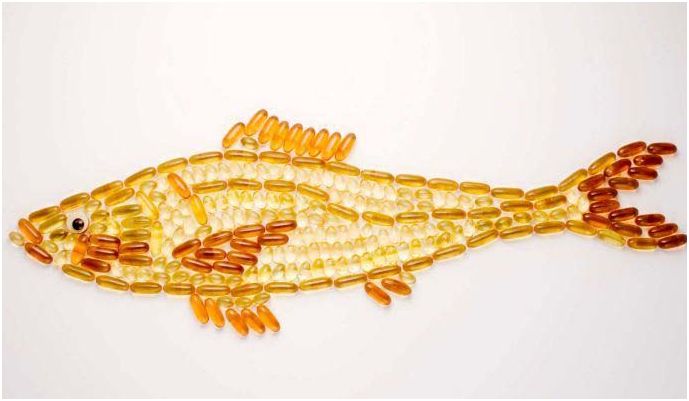
According to research conducted at Harvard University, omega-3 fatty acid deficiency is officially one of the top 10 causes of death in America, claiming the lives of up to 96,000 people each year. Out of the 12 dietary, lifestyle and metabolic risk factors examined in the study, omega-3 fatty acid deficiency ranked as the sixth highest killer of Americans. (1) These deaths are considered preventable since getting enough omega 3-fatty acids in your diet can ward off this now common cause of death, and fish oil benefits omega-3 intake as a potent omega-3 source.
The fish oil benefits include decreasing the risk of heart disease and stroke while also helping reduce symptoms of depression, hypertension, attention deficit hyperactivity disorder (ADHD), joint pain, arthritis and chronic skin ailments like eczema. (2) Fish oil intake has also been associated with aiding the body in weight loss, fertility, pregnancy and increased energy. Prescription fish oil has even been approved by the FDA to lower unhealthy high triglyceride levels. (3)
Most of the fish oil benefits are because it’s one of nature’s richest sources of omega-3 fatty acids. While fish oil benefits are numerous, there are some false claims on how to use this incredible supplement, but in this article I go over the proven scientific evidence to demonstrate the true benefits of fish oil.
What Is Fish Oil?
Fish oil comes from the tissues of oily fish. The best sources are cold-water, fatty fish. When it comes to human consumption of fish oil, you can get it from fish themselves or from a fish oil supplement.
Fish oil is a concentrated source of omega-3 fats, which are also called ω-3 fatty acids or n-3 fatty acids. To get more scientific, omega-3s are polyunsaturated fatty acids, or PUFAs. Our bodies are able to make most of the fats we need need, but that’s not true for omega-3 fatty acids. When it comes to these essential fats, we need to get them from omega-3 foods or supplements.
Fish oil contains two very important omega-3 PUFAs. I’m talking about docosahexaenoic acid (DHA) and eicosapentaenoic acid (EPA). DHA and EPA are sometimes called the marine omega-3s because they mainly come from fish. Some of the best fish to eat to obtain fish oil from in your diet include wild-caught salmon, herring, white fish, sardines and anchovies.
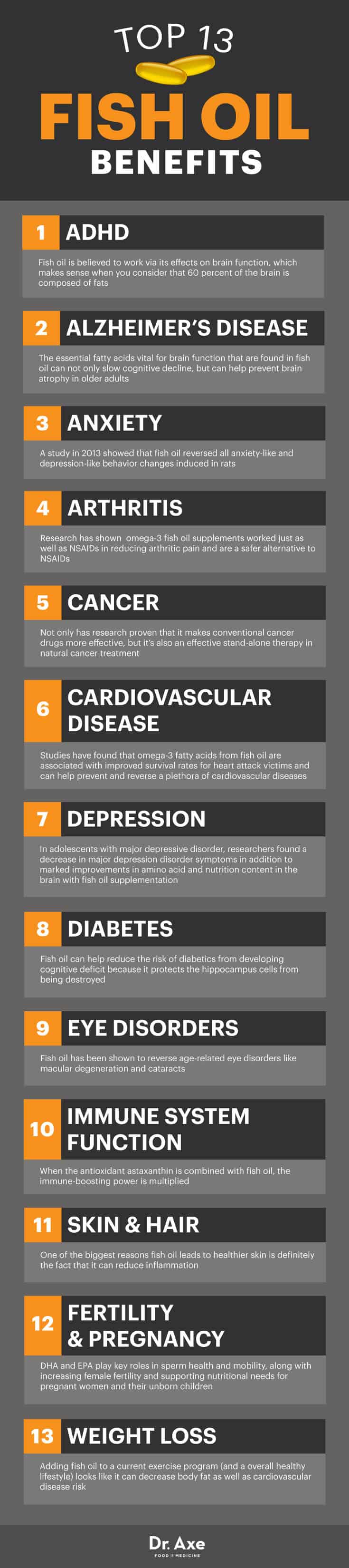
Top 13 Fish Oil Benefits
There are so many fish oil benefits. These are just some of the top scientifically proven fish oil benefits I want to make you aware of.
1. ADHD
Many members of the medical community, like myself, believe that suboptimal levels of omega-3 fatty acids may contribute to symptoms of ADHD and related developmental problems as well as many other mental health problems over one’s lifetime. (4)
A 2012 study involved children from 6 to 12 years of age with ADHD who were being treated with methylphenidate and standard behavior therapy for more than six months. The parents of these children reported no improvement in behavior and academic learning using these standard treatments. The researchers randomly gave some of the children an omega-3 and omega-6 supplement or a placebo. They found “statistically significant improvement” for the omega group in the following categories: restlessness, aggressiveness, completing work and academic performance. (5)
Another study found that increasing omega-3 intake, specifically DHA, may improve literacy and behavior in children with ADHD. (6) Fish oil is believed to work via its effects on brain function, which makes sense when you consider that 60 percent of the brain is composed of fats. (7)
2. Alzheimer’s Disease
For several years now, the fish oil and Alzheimer’s disease connection has been studied with consistent results. The essential fatty acids vital for brain function that are found in fish oil can not only slow cognitive decline, but can help prevent brain atrophy in older adults. A study published in the FASEB Journal looked at the health effects of four- to 17-month supplementation with omega-3 fatty acids and antioxidants. The findings once again confirm the potential for fish oil to be used as a weapon to fend off the onset of cognitive decline and Alzheimer’s disease. (8)
Another study conducted by researchers at Rhode Island Hospital examined the relationship between fish oil supplementation and indicators of cognitive decline. The subjects of the study were older adults: 229 cognitively normal individuals, 397 patients with mild cognitive impairment and 193 patients with Alzheimer’s disease. They were assessed with neuropsychological tests and brain magnetic resonance imaging every six months while taking fish oil supplements. The study found that the adults taking fish oil (who had not yet developed Alzheimer’s and did not have genetic risk factor for developing Alzheimer’s known as APOE ε4) experienced significantly less cognitive decline and brain shrinkage than adults not taking fish oil. (9)
3. Anxiety
The European Journal of Neuroscience published a study in 2013 showing that fish oilreversed all anxiety-like and depression-like behavior changes induced in rats. This is an interesting study because it stresses the importance of supplementing with fish oil at “critical periods of brain development.” (10) This is exactly why I recommend giving fish oil to our kids from early on to help them so they won’t develop anxiety or depression later in life.
4. Arthritis
An 18-month study was published in 2014 that evaluated how borage seed oil — rich in GLA — and fish oil rich fared against each other in treating patients with rheumatoid arthritis. It was discovered that all three groups (one taking fish oil, one taking borage oil and one taking a combination of the two) “exhibited significant reductions” in disease activity, and no therapy outperformed the others. For all three, “meaningful clinical responses” were the same after nine months. (11)
This is great news for both fish and borage oil when it comes to arthritis patients, but it’s critical to emphasize that the results were the same because taking too many supplements is simply a waste of money.
Another study also showed that omega-3 fish oil supplements worked just as well asNSAIDs in reducing arthritic pain and are a safer alternative to NSAIDs. (12)
5. Cancer
Scientific studies have found that fish oil can help to prevent and kill various cancers, including colon, prostate and breast. (13) Not only has research proven that it makes conventional cancer drugs more effective, but it’s also an effective stand-alone therapy innatural cancer treatment.
A scientific review published in 2013 looked at omega-3 polyunsaturated fatty acids and prostate cancer prevention. Researchers concluded that there’s a great deal of evidence suggesting that omega-3s have antiproliferative effects – which means they inhibit cancer cell growth – in cancer cell lines, animal models and humans. In addition, the “direct effects on cancer cells” and indirect anti-inflammatory effects on the immune system fighting the cancer likely contribute to the ability of omega-3 fatty acids to inhibit tumor growth. (14)
A group out of India conducted a study published in Cancer Chemotherapy and Pharmacology based on the premise that “fish oil rich in n-3 polyunsaturated fatty acids has been preferred to chemosensitize tumor cells to anti-cancer drugs.” The study found that using 5-Fluorouracil (5-FU) to treat colorectal cancer along with fish oil increased the survival rate in carcinogen-treated animals. Researchers also found that the fish oil ameliorated hematologic depression, along with gastrointestinal, hepatic and renal toxicity caused by the 5-FU. (15)
A scientific review in 2014 evaluated study findings on omega-3 intake in relation to the prevention and treatment of breast cancer, the most prevalent cancer among women. The review found that EPA and DHA, as well as ALA, can differentially inhibit breast tumor development. According to this review, there is solid evidence to support the use of omega-3s as “a nutritional intervention in the treatment of breast cancer to enhance conventional therapeutics, or potentially lowering effective doses.” (16) Additionally, a 2016 study found that “very high fish consumption in early adulthood to midlife may be associated with decreased risk of breast cancer.” (17)
Fish oil also looks to be helpful for another type of cancer experienced by women: endometrial cancer. A scientific study recently published in the American Journal of Clinical Nutrition finds that “long chain omega-3 intake associated with reduced endometrial cancer risk only in normal-weight women.” (18)
6. Cardiovascular Disease
According to the Cardiovascular Research Institute in Maastricht in Netherlands, “Epidemiological studies show that replacing fat with carbohydrates may even be worse [than the Western-type high-fat diet] and that various polyunsaturated fatty acids (FA) have beneficial rather than detrimental effects on CVD (cardiovascular disease) outcome.” This includes fish-oil fatty acids with anti-inflammatory properties, which can help prevent and reverse a plethora of cardiovascular diseases. (19)
Studies have also found that omega-3 fatty acids from fish oil are associated with improved survival rates for heart attack victims. A study published in the medical journalCirculation found that people who took a high dose of fish oil each for six months following the occurrence of a heart attack actually improved their hearts’ overall functioning and also reduced biomarkers of systemic inflammation. (20)
7. Depression
We’ve already seen that fish oil can help with depression-like symptomsin rats, but what about people? A study published in the journal Nutritional Neuroscience evaluated the effects of fish oil supplementation on prefrontal metabolite concentrations in adolescents with major depressive disorder. Researchers found that there was a 40 percent decrease in major depression disorder symptoms in addition to marked improvements in amino acid and nutrition content in the brain, specifically, the right dorsolateral prefrontal cortex. (21)
8. Diabetes
A study published in Brain Research shows how far-reaching fish oil can be for people with diabetes. Researches found that fish oil can help reduce the risk of diabetics from developing cognitive deficit because it protects the hippocampus cells from being destroyed. The study also showed that fish oil could help reduce oxidative stress, which plays a central role in the development of diabetes complications, both microvascular and cardiovascular. (22)
Another recent study shows that fatty fish consumption can cut the risk of eye-diabetes complications. The researches tracked the seafood consumption of about 3,600 diabetic men and women between the ages of 55 and 80 for nearly five years. The researchers found that people who regularly consumed 500 milligrams each day of omega-3 fatty acid in their diets (equal to two servings of fatty fish per week) were 48 percent less likely to develop diabetic retinopathy than those who consumed less. (23)
Combined, this shows consuming fish oil benefits diabetics and that fish oil sources should be included as part of a diabetic diet plan.
9. Eye Disorders
There’s more good news when it comes to fish oil and eye health, and it’s just not just for diabetic this time. Fish oil has been shown to reverse age-related eye disorders. In March 2014, French researchers evaluated 290 patients with age-relatedmacular degeneration (AMD), and they discovered that dietary oil fish and seafood intake were significantly lower in AMD patients. Due to the high EPA and DHA levels in fish oil, it was concluded that this kind of nutritional intervention could especially benefit those at high risk for neovascular age-related macular degeneration. (24)
A higher intake of polyunsaturated fats like those found in fish and fish oils have also been linked to reduced levels of cortical cataracts.
10. Immune System Function
An animal study revealed that when the antioxidant astaxanthin is combined with fish oil, the immune-boosting power is multiplied. The researchers believe that the results of this study are definitely applicable to human health. They conclude that the study reinforces the health-promoting effects of habitual fish consumption. (25)
Salmon is a fish that naturally contains both fish oil and astaxanthin. I also recommending buying a fish oil supplement that contains astaxanthin.
11.Skin and Hair
The health benefits of fish oil can be incredible for the body’s largest organ, the skin. This source of essential fats improves the health and beauty of human skin in several ways. Fish oil benefits and nourishes the skin with fats and contributes fat-soluble vitamins that help skin maintain a smooth, elastic texture. There is also evidence that fish oil prevents wrinkles and works against the aging process.
The deficiency of EPA and DHA in diet contributes to skin conditions, such as dandruff,thinning hair, eczema and psoriasis, as well as age spots and sun spots. Without the essential fatty acids, too much moisture leaves the skin. The truth is your internal health can appear on your skin, and taking fish oil internally as a supplement may be as good as or better than applying conventional moisturizers.
In one study, individuals taking fish oil equivalent to 1.8 grams of EPA had a significant reduction in symptoms of eczema after 12 weeks. Researchers believe that these effects may be due to fish oil’s ability to reduce leukotriene B4, an inflammatory substance that plays a role in eczema. (26)
According to the National Psoriasis Foundation, fish oil can aid in preventing or slowing heart disease, which is especially great for psoriasis and psoriatic arthritis sufferers who are at a higher risk of developing heart disease. (27) When it comes to using fish oil supplements for the alleviation of psoriasis symptoms, studies have been mixed with some showing improvement but others showing no effect. If you suffer from psoriasis, you may want to try a fish oil supplement, or else I highly recommend that you make sure to have fish rich in omega-3s regularly.
One of the biggest reasons fish oil leads to healthier skin is definitely the fact that it can reduce inflammation. Research has shown that fish oil supplements can even reduce sun-induced inflammation and provide sunburn relief. “The sunburn response is markedly reduced by dietary fish oil rich in omega-3 polyunsaturated fatty acids.” (28)
12. Fertility and Pregnancy
Recent studies have shown that the consumption of fish oil (or, more specifically, the omega-3 fatty acids found in fish oil) can improve fertility in both men and women. DHA, which is a byproduct of omega-3 fatty acids, plays a key role in the mobility of sperm and health of sperm in men. Low blood levels of DHA have been linked to decreased fertility. Animal studies have found that the DHA in fish is vital to changing dysfunctional round-headed sperm into strong swimmers with cone-shaped heads packed with egg-opening proteins. (29)
Fish oil has also been shown to increase fertility in women by reducing inflammation,balancing hormones and regulating their cycles. Also, fish oil has been found effective in treating conditions like polycystic ovarian syndrome and endometriosis, which can cause infertility.
Fish oil is also extremely beneficial for pregnant women and their children. Throughoutpregnancy and also while breastfeeding, a woman’s omega-3 needs are even higher than usual. According to the American Pregnancy Association, most U.S. women are deficient in EPA and especially DHA going into pregnancy and get even more depleted during pregnancy, as the placenta supplies the fetus with DHA from the mother’s tissue. Omega-3 DHA is a critical building block of the fetal brain, eyes and nervous system. Once the baby is born, omega-3s continue to be vital to healthy brain development and immune function. (30)
Omega-3 fatty acids also seem to reduce the chance of premature delivery. (31) EPA and DHA intake can help support healthy labor and delivery outcomes. This omega-3 duo also helps normalize mood and overall well-being in the mother after giving birth.
13. Weight Loss
Australian researchers published results of a study examining the effects of fish oil onweight loss in combination with diet and exercise in the May 2007 issue of American Journal of Clinical Nutrition. The results show that a combination of fish oil supplements and regular exercise can reduce body fat while also improving heart and metabolic health. The fish supplementation group had lowered triglycerides, increased HDL cholesterol and improved blood flow. Overall, adding fish oil to a current exercise program (and a overall healthy lifestyle) looks like it can decrease body fat as well as cardiovascular disease risk. (32)
Another small study had all volunteers consume the same exact control diet and substituted fish oil for visible fats (things like butter and cream). The volunteers consumed six grams of fish oil each day for three weeks. They found that body fat mass decreased with the intake of fish oil. The researchers conclude that dietary fish oil reduces body fat and stimulates the use of fatty acids for the production of energy in healthy adults. (33)
If you’ve been wondering, “What does fish oil do?” hopefully you now have a better idea of the very large array of possible fish oil benefits!
Fish Oil Nutritional Background
The main nutritional value of fish oil is its high fatty acid content. As I just mentioned, fish oil benefits come from the fact that it’s rich in the omega-3 fatty acids known as DHA and EPA.
Wondering about the specifics of fish oil nutrition? One teaspoon (four grams) of fish oil from sardines, for example, contains approximately: (34)
40.6 calories
4.5 grams fat (1.5 grams saturated fat)
0 milligrams sodium
0 grams fiber
0 grams sugar
0 grams protein
14.9 international units vitamin D (4 percent DV)
1,084 milligrams omega-3 fatty acids (DV varies by age and gender)
90.6 milligrams omega-6 fatty acids (DV varies by age and gender)
Nutritional information varies by product and fish source. Check supplement labeling for specific details.
Omega-3 Deficiency Side Effects
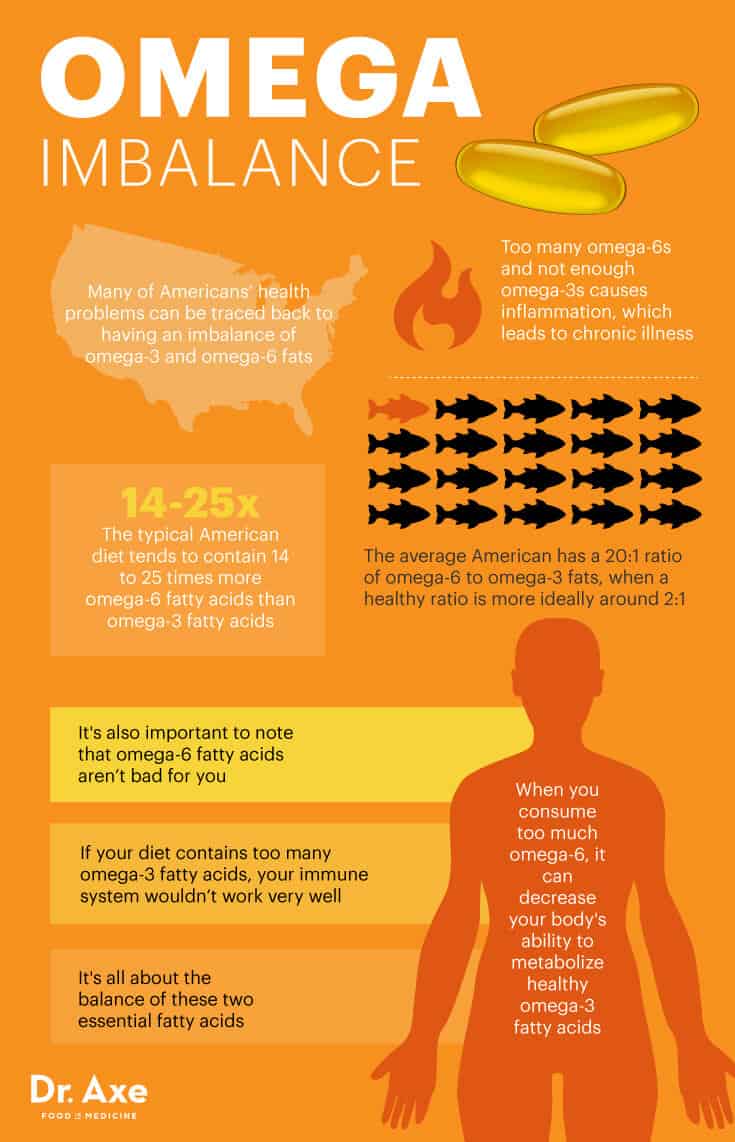
Many of Americans’ health problems can be traced back to having an imbalance of omega-3 and omega-6 fats. Omega-6 fats aren’t necessarily bad for you, but if they’re consumed in large amounts without omega-3s they cause inflammation, which leads to chronic illness.
Today, the average American has a 20:1 ratio of omega-6 to omega-3 fats, when a healthy ratio is more ideally around 2:1. Put in other numerical terms, the typical American diet tends to contain 14 to 25 times more omega-6 fatty acids than omega-3 fatty acids. (35) This shows just how deficient most of us are and why supplementing with fish oil is so beneficial.
The biggest cause of omega-3 deficiency is the overconsumption of foods high in omega-6 fatty acids. Omega-6 comes from things like fried foods, fast foods and boxed foods that contain vegetables oils like soybean oil, canola oil, sunflower oil, cottonseed oil and corn oil. When you consume too much omega-6, it can decrease your body’s ability to metabolize healthy omega-3 fatty acids. (36)
Research has shown that having a lower ratio of omega-6/omega-3 fatty acids can reduce the risk of many common chronic diseases. Getting enough omega-3, which means having a proper balance of omega-3 and omega-6, has been shown in hundreds of studies to possibly provide benefits to many inflammatory diseases, including: (37)
It’s also important to know that even though certain other foods like flaxseeds and grass-fed beef contain omega-3 fats, those omegas are ALA and not EPA/DHA like what’s found in fish oil. According to the medical research, there are far more health benefits in fish oil (EPA/DHA) than flax oil (ALA) for most people.
It’s also important to note that omega-6 fatty acids aren’t bad for you. In fact, if your diet contains too many omega-3 fatty acids, your immune system wouldn’t work very well. It’s all about the balance of these two essential fatty acids.
How to Take Fish Oil Supplements
Your best way to achieve a good balance of omega-3 and omega-6 is by getting your fish oil from wild-caught fish like salmon. However, I still think it is beneficial for some to supplement with a high quality omega 3 fish oil or cold liver oil. Plus, cold water fish are frequently contaminated with mercury and pesticide residues, making it very difficult to safely achieve recommended levels.
Therefore, supplementing your diet with pure anti-oxidant rich fish oil can be one of the best ways to get your omega 3s. The types of fish which are most commonly used in fish oil supplements are salmon, cod liver, mackerel, sardines, halibut, pollock and herring.
Currently, there isn’t a set standard recommendation for how many omega-3s we need each day, but suggestions range from a fish oil dosage of 500 to 1,000 milligrams daily depending on whom you ask. How easy is it to get these recommended amounts? To give you an idea, there are more than 500 milligrams of total omega-3s in one can of tuna fish and one small serving of wild-caught salmon.
When taking fish oil, more is not always better. Remember that you want it to stay in a balanced ratio with omega-6 fats. For most people, I recommend a 1,000-milligram dose of fish oil daily as a good amount and the most scientifically studied dosage. I highly recommend not taking more than that unless directed to under the supervision of a doctor.
Also, not all fish oils are created equal. Most fish oils are highly processed and can oxidize easily because omega-3 fats are polyunsaturated, have a low heat threshold and can easily go rancid. For that reason, you want to buy a fish oil in triglyceride form that also contains antioxidants to preserve them like astaxanthin or essential oils.
To improve the health of your heart, brain, skin, hair, body and much, much more, consider adding fish oil to your daily supplement regime or consume wild-caught fish daily. If you’re adverse to fish oil pills, make sure to get at least two servings of fatty fish each week to fulfill your omega-3 needs and provide your body with fish oil benefits. This is a recommendation also encouraged by the American Heart Association. (38)
Does Fish Oil Cause Prostate Cancer?!
Back in 2013, a study came out that made a lot of people concerned about fish oil supplements and cancer. The study, published in the Journal of the National Cancer Institute, showed that men who consume the largest amount of fish oil had a 71 percent higher risk of high-grade prostate cancer and a 43 percent increase in all types of prostate cancer. The study was conducted on 2,227 men, of which 38 percent of the men already had prostate cancer. (39)
According to researcher Theodore Brasky from the Ohio State University Medical Center, “These fish oil supplements in which some men getting mega, mega doses… in our opinion that is probably a little bit dangerous.” (40)
What is a “mega dose”? The American Heart Association considers taking up to three grams of fish oil per day “safe.” It advises that “patients taking more than 3 grams of omega-3 fatty acids from capsules should do so only under a physician’s care.” (41) Most physicians would say that taking 2+ grams (or 2,000+ milligrams) daily is a mega dose.
So do I think you should stop taking your fish oil immediately because of this study? No. But should you take a look at how much fish oil you take and what brand you take? Yes, definitely.
The reason why fish oil could increase a man’s risk of prostate cancer is IMBALANCE. Like I said earlier, omega-6 fatty acids aren’t bad for you. In fact, if your diet contains too many omega-3 fatty acids, your immune system wouldn’t work very well because omega-3 and omega-6 fatty acids are meant to work in a system of checks and balances. Omega-3 fatty acids suppress inflammation, and omega-6 fatty acids promote inflammation, which actually supports your body’s natural system of defense like activating your white blood cells.
So, if you consume too many omega-3 fats (EPA/DHA) you can actually weaken your immune system, which would encourage rather than ward off cancer. So I take this study to be a very good example of why more is not more when it comes to supplements, and you should be cautious not to overdo it with fish oil or any other supplement.
Fish Oil Side Effects, Interactions and Precautions
If you’re not able to get enough fish oil benefits through your diet, fish oil supplements can be a good option. Fish oil side effects can include belching, bad breath, heartburn, nausea, loose stools, rash and nosebleeds, but in my experience, taking a high-quality fish oil supplement can reduce the likelihood of any unwanted side effects. It’s also a good idea to take fish oil with meals to reduce side effects.
Before taking fish oil, you should speak with your doctor if you currently take any medication or have any ongoing health concerns. You should also speak to your doctor before taking fish oil if you have a known fish or shellfish allergy.
If you have a bleeding disorder, bruise easily or take blood-thinning medications, you should use fish oil supplements with extra caution since large doses of omega-3 fatty acids can increase bleeding risk. This bleeding risk also applies to people with no history of bleeding disorders or current medication usage. If you have type 2 diabetes, you should only use fish oil supplements under your doctor’s supervision. Individuals with type 2 diabetes can experience increases in fasting blood sugar levels while taking fish oil supplements.
My estimate is that close to 90 percent of fish oils on the market today may contain mercury and pesticide residues plus hydrogenated oils. Of course, this is my opinion based on my own research from visiting different manufacturing plants, interviewing companies, and studying the research and the listed ingredients of typical fish oils. I would stay away from ALL fish oils that do not have antioxidants like astaxanthin, which help stabilize the oil from going rancid. I always look for astaxanthin as part of any high-quality fish oil supplement.
To avoid fish oil supplements containing mercury or other harmful contaminants, purchase supplements from a reputable source that clearly tests for these health-hazardous contaminants in its products. These tests should be ideally conducted by a third-party, and a certificate of analysis should indicate the levels of purity from environmental toxins.
Final Thoughts on Fish Oil Benefits
Omega-3 fatty acids are essential to our health, but our bodies cannot make them so we must get them from diet. If diet is not enough to meet our needs, then a high-quality fish oil supplement is the next best option.
The best fish oil supplement always ones manufactured under strict standards with thorough testing for health-hazardous contaminants like mercury.
Post-supplementation “fish burps” can be avoided by consuming fish oil with food.
Fish oils can be used as prevention to health problems as well as a treatment.
Scientific studies have and continue to back up all of the incredible fish oil benefits ranging from eczema and fertility to heart disease and many types of cancer.
Mengurangi makanan manis boleh jadi sangat sulit, apalagi jika kita terbiasa mengonsumsi makanan enak dan rasanya manis. Sekedar melihat donat, cake, martabak manis yang hangat, pisang cokelat dll di meja, hmm … tenggorokan rasanya clegukan terus ingin segera menyantapnya. Tak cukup sepotong, kita bahkan bisa dua atau tiga kali nambah. Itu belum termasuk minuman seperti soft drink, teh manis, kopi dll.
Jika mengonsumsi makanan manis terjadi setiap hari dan berlangsung lama, maka itu tidak baik untuk kesehatan. Apalagi jika kita punya masalah dengan berat badan, atau riwayat kesehatan yang kurang bagus akibat konsumsi gula berlebih. Nah, bagaimana cara kita mengurangi makanan yang manis-manis ?
Sarah Wilson, seorang penulis buku I Quit Sugar, serta penulis berbagai buku resep masakan, telah berbagi tips tentang upaya mengurangi makanan manis atau yang mengandung gula. I Quit Sugar merupakan sebuah buku bagus bagi mereka yang tertarik untuk menjalankan pola makan yang lebih baik.
Makanan manis, menurut Sarah Wilson, mengandung zat yang bernama fruktosa.
Nah, berbeda dengan glukosa dan laktosa yang diproses menjadi energi dan langsung dapat dipakai oleh tubuh, fruktosa diolah oleh hati dan disimpan sebagai lemak. Makanya tidak aneh jika penggemar makanan manis berat badannya cenderung bertambah. Selain itu fruktosa juga dapat mengganggu hormon nafsu makan.
Berikut 7 cara mengurangi makanan manis menurut penulis buku I Quit Sugar tersebut :
#1. Mencoba sedikit sekedar memenuhi rasa ingin tau. Jika kita benar-benar kepingin dengan satu makanan manis maka bisa ambil sepotong untuk memuaskan rasa ingin tau saja. Jadi kita tak perlu menikmatinya sampai kenyang atau sampai habis. Saran ini dikemukakan oleh Kerry Neville, MS, RD seorang ahli diet.
#2. Mengkombinasikan makanan yang manis dengan yang sehat. Contohnya dengan mencelupkan pisang atau strawberry kedalam cokelat cair. Cara ini selain memuaskan rasa ingin tau, kita juga bisa merasa kenyang.
#3. Kurangi asupan gula saat bikin jus. Kebiasaan di masyarakat saat membuat jus adalah dengan menambahkan gula ke dalam jus. Biasanya lebih dari satu sendok gula.
Coba kurangi asupan gula menjadi maksimal hanya satu sendok, atau tidak usah menambahkan gula sama sekali.
#4. Hati-hati makanan dengan label “low fat”. Label low fat pada kemasan makanan artinya rendah lemak. Tapi hati-hati, kita jangan terkesima oleh label tersebut. Biasanya makanan dengan label low fat sering kali mengandung gula yang tinggi. Ketika berupaya mengurangi lemak pada makanan, biasanya produsen akan menggantinya dengan gula.
#5. Beralih ke buah segar. Daripada makan buah yang dikeringkan lebih baik makan buah segar. Karena pada buah-buahan kering kandungan gulanya bisa mencapai 70 %.
#6. Coba kunyah permen karet. Jika ingin sekali makan makanan manis, coba kunyah permen karet. Penelitian menunjukkan bahwa mengunyah permen karet dapat mengurangi keinginan untuk makan.
#7. Makanlah dengan teratur. Susan Moores, seorang pakar nutrisi dari St. Paul, Minnesota menyatakan, bahwa jika perut kosong terlalu lama maka cenderung membuat Anda memilih makanan manis dan berlemak sebagai pengganjal perut. Untuk menjaga gula darah agar tetap stabil, lebih baik makanlah setiap 3 sampai 5 jam, misalnya buah, sayuran atau sereal.
Itulah 7 cara mengurangi makanan manis menurut Susan Wilson, si penulis buku I Quit Sugar. Semoga bermanfaat.